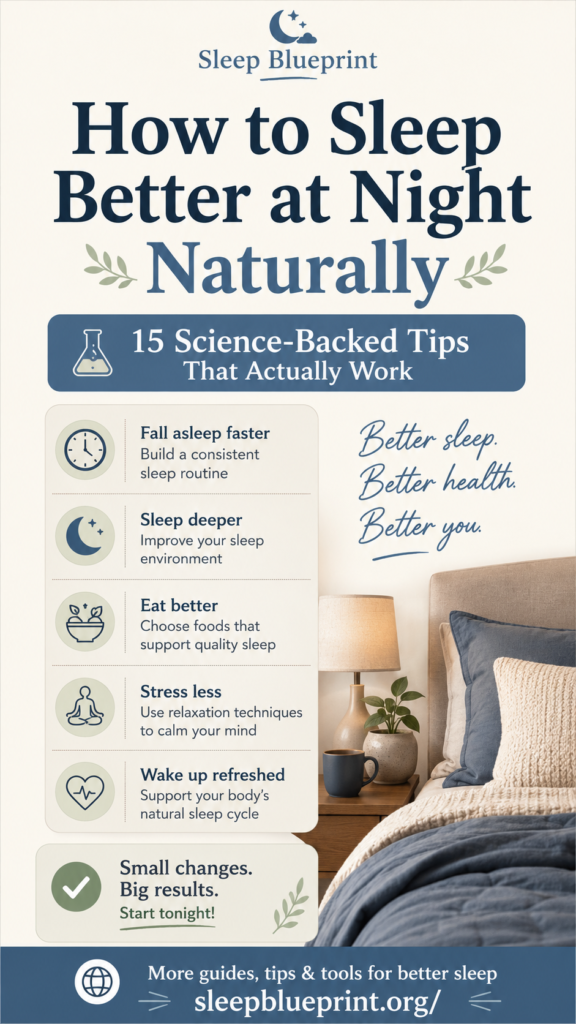
If you’ve spent the last hour staring at the ceiling wondering why sleep won’t come, you’re far from alone. Millions of people lie awake every night, exhausted but wired, caught in a frustrating loop of tossing, turning, and clock-watching. The good news is that most sleep struggles aren’t permanent — they’re the result of habits, environment, and daily choices that can be changed.
This guide walks through exactly how to sleep better at night naturally, using strategies backed by sleep science rather than gimmicks. Whether you’re dealing with occasional restlessness or something that feels more like chronic sleeping problems, you’ll find practical, evidence-informed solutions here.
Why Better Sleep Matters More Than You Think
Sleep isn’t just downtime — it’s when your brain consolidates memories, your body repairs tissue, and your hormones reset for the day ahead. Research has linked poor sleep to impaired cognitive function, mood instability, weakened immunity, and a higher risk of obesity and diabetes, according to a comprehensive nutrition-focused review from Healthline. In other words, sleep deserves the same priority you give to diet and exercise, not an afterthought squeezed in after everything else is done.
If you regularly wake up groggy, rely on caffeine to function, or find your mind racing the moment your head hits the pillow, it’s worth exploring why you can’t sleep at night even when you’re tired before assuming it’s simply “how you are.” Often, the cause is a fixable pattern rather than a fixed trait.
Tip 1–2: Reset Your Circadian Rhythm With Light
Your circadian rhythm — the internal clock that governs when you feel alert or sleepy — responds directly to light exposure. Getting bright, natural light within the first hour of waking helps anchor that rhythm, and a 2022 study cited by Healthline found that daytime bright-light exposure improved both sleep quality and duration.
The flip side matters just as much. Blue light from phones, laptops, and TVs suppresses melatonin, the hormone that signals your body it’s time to wind down. The NHS recommends stepping away from screens for at least an hour before bed, since the blue light they emit can make it noticeably harder to drift off.
Practical fix: Get outside for 10–15 minutes each morning, and dim screens (or switch them off entirely) in the two hours before bedtime.
Tip 3: Watch Your Caffeine and Alcohol Timing
A 2023 research review found that caffeine consumed later in the day reduced total sleep time by roughly 45 minutes and cut sleep efficiency by about 7%. Since caffeine can linger in your system for up to 10–12 hours, that afternoon coffee may be sabotaging tonight’s rest more than you realize.
Alcohol deserves equal caution. While a nightcap might feel relaxing, it disrupts sleep architecture, worsens snoring, and interferes with melatonin production later in the night. If you’re exploring food and drink solutions for sleeping problems, cutting back on both caffeine and alcohol in the evening is one of the highest-impact changes you can make.
Tip 4: Eat With Sleep in Mind
What — and when — you eat plays a bigger role in sleep quality than most people expect. Heavy meals close to bedtime, high-sugar snacks, and refined carbs can trigger nighttime wakefulness and pull you out of deep, restorative sleep, according to Healthline’s nutrition research.
Certain foods actively support better rest. Magnesium-rich options, tart cherries, and foods containing natural melatonin precursors are commonly recommended in guides to foods for deep sleep. On the other hand, it helps to know the worst foods for sleep so you can avoid them in your evening routine — think spicy, acidic, or heavily processed foods close to bedtime.
If you’re looking for culturally specific options, there are also targeted resources on Indian foods for insomnia and anxiety that highlight spices and dishes traditionally used to promote calm.
Tip 5: Build a Consistent Sleep Schedule
Going to bed and waking up at the same time daily — even on weekends — helps stabilize your internal clock. A 2020 review of 41 studies found that irregular sleep patterns and late bedtimes were consistently linked to poorer sleep quality.
Harvard Health’s sleep researchers echo this, noting that consistency is one of the simplest and most effective ways to improve rest without any special tools or supplements.
Tip 6–7: Consider Melatonin and Other Supplements Carefully
Melatonin supplements are widely used to help people fall asleep faster, with research generally examining doses between 0.1 and 10 milligrams taken up to two hours before bed. Because the FDA doesn’t regulate melatonin as tightly as prescription medication, it’s worth talking to a healthcare provider before starting, especially for children.
Other supplements like magnesium, omega-3, and zinc are sometimes used alongside behavioral changes, though none are a standalone fix. For more structured natural approaches, the 26 home remedies for insomnia resource breaks down options you can try one at a time to see what actually works for your body.
Tip 8: Optimize Your Bedroom Environment
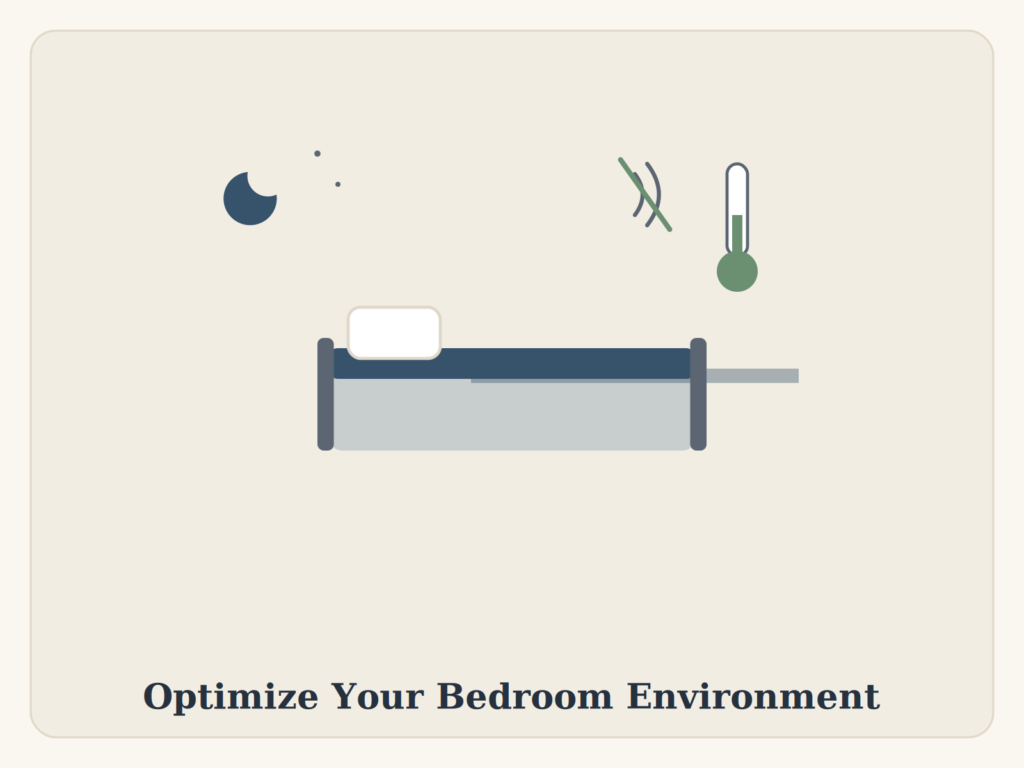
Temperature, noise, and light all shape how easily you fall — and stay — asleep. Most people sleep best in a room around 65°F (18°C), according to sleep researchers at Harvard Health, with a dark, quiet setting supporting deeper, less interrupted rest.
Small changes add up: blackout curtains, earplugs or white noise, a comfortable mattress, and reserving your bed for sleep alone (not scrolling or working) all reinforce the mental association between “bed” and “sleep.”
Tip 9: Create a Wind-Down Routine
A calming pre-sleep routine signals to your nervous system that it’s time to relax. This might include reading, gentle stretching, journaling, or a warm bath. The Mayo Clinic notes that relaxation techniques are also a core component of cognitive behavioral therapy for insomnia, one of the most effective non-drug treatments available.
If stress and racing thoughts are the main barrier, working through a sleep hygiene checklist before bed can help externalize worries instead of carrying them into bed with you.
Tip 10: Try Fast-Acting Relaxation Techniques
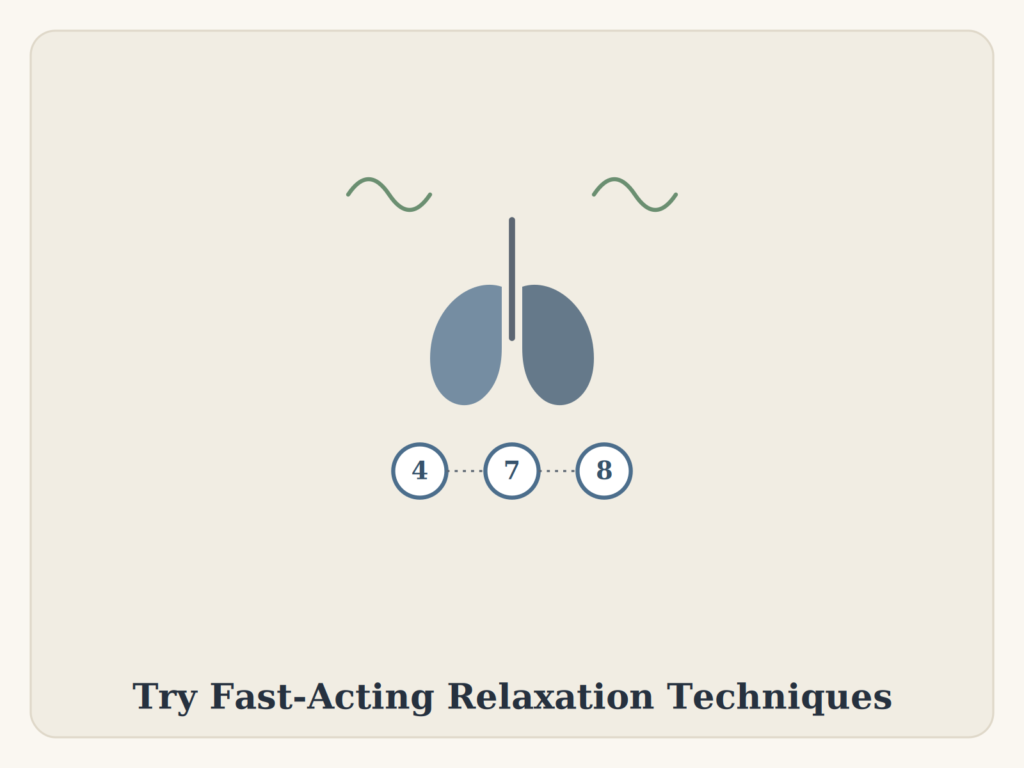
Sometimes you don’t need a full routine overhaul — you need something that works right now. Breathing-based techniques are among the most researched fast-acting tools for falling asleep. Depending on how much time you have, there are step-by-step methods for falling asleep in 5 minutes, in 1 minute, in 2 minutes, and even techniques people use to try to fall asleep in 40 seconds or 10 seconds.
For nights when you have a little more time to unwind, a slower 10-minute wind-down method may feel more sustainable. These techniques work best as tools in a broader toolkit rather than one-off tricks — pairing them with consistent sleep hygiene for adults tends to produce more lasting results.
Tip 11: Know What to Do If You Wake Up at Night
Waking briefly during the night is normal, but lying there anxious about falling back asleep can make things worse. HelpGuide’s sleep researchers recommend avoiding the urge to check the time repeatedly and instead focusing on slow, deliberate breathing.
If middle-of-the-night waking is a recurring issue for you, it’s worth reviewing targeted guidance on what helps with insomnia in the middle of the night, which covers both mindset shifts and physical adjustments.
Tip 12: Rule Out an Underlying Sleep Disorder
If you’ve tried consistent sleep hygiene changes and still struggle night after night, an underlying condition may be at play. Research suggests sleep apnea affects a substantial share of adults, and chronic insomnia affects roughly 10% of adults, with another 20% experiencing it occasionally, according to a research review referenced by Healthline.
Understanding the difference between everyday restlessness and a diagnosable condition matters. Resources like psychological sleep disorders and an overview of the 5 main types of sleep disorders can help you recognize patterns worth discussing with a healthcare professional.
Tip 13: Exercise — But Time It Right
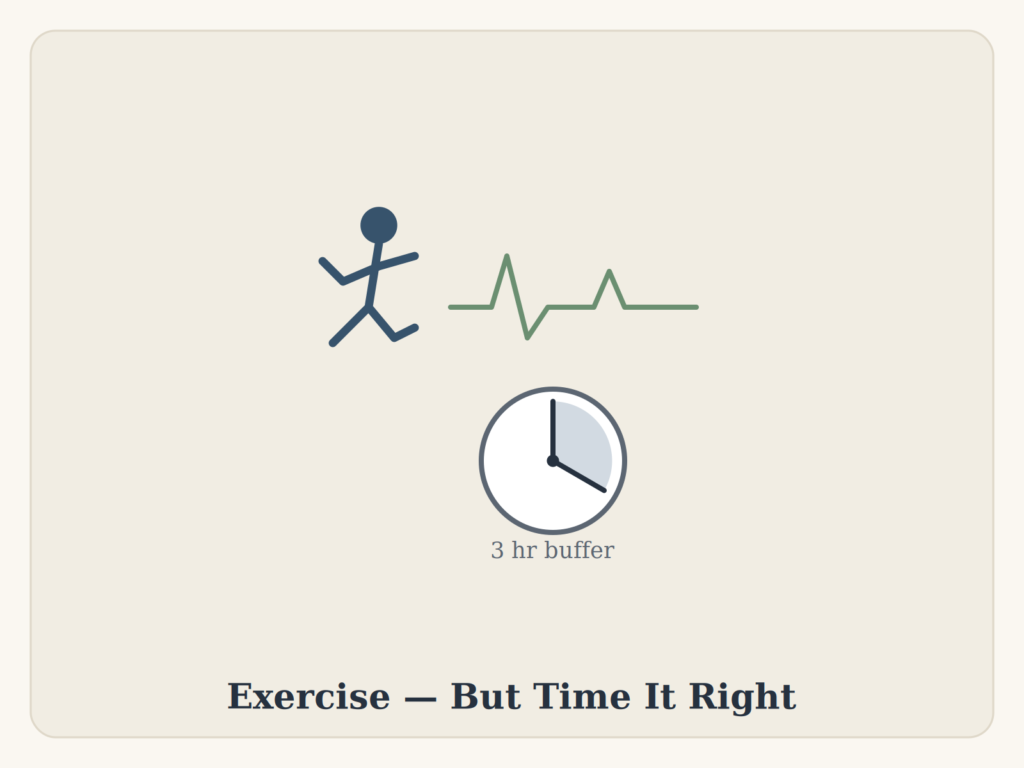
Regular physical activity improves sleep quality, reduces insomnia symptoms, and increases time spent in deep, restorative sleep stages. That said, timing matters: exercising too close to bedtime can raise alertness-related hormones like cortisol and adrenaline, making it harder to wind down. Aim to finish moderate-to-vigorous workouts at least three hours before bed, per guidance echoed across Healthline and Harvard Health.
Tip 14: Different Approaches for Kids and Teens
Sleep needs and obstacles look different across ages. Younger children often respond well to a shorter, gentler version of adult techniques — see this guide to helping kids fall asleep in 5 minutes — paired with an age-appropriate sleep hygiene checklist for kids.
Teenagers face their own challenges, from shifting circadian rhythms to school schedules and screen habits. A dedicated sleep hygiene guide for teens can make routines easier to stick to during those years.
Tip 15: Address Insomnia at the Root, Not Just the Symptoms
Quick fixes have their place, but lasting change usually requires addressing root causes — stress patterns, inconsistent routines, and environmental triggers. If short-term techniques haven’t been enough, it may help to explore a more structured approach to curing insomnia permanently rather than repeatedly patching the same problem. Some readers have also found success with a focused, short-session method described in how to cure insomnia in 12 minutes, which combines breathing and cognitive techniques.
For a broader starting point, this general guide to sleep and this overview of sleeping problems and solutions are useful anchors if you’re building your routine from scratch, alongside home remedy-based solutions for a more natural approach.
Put It All Together With the Right Tools
Reading about sleep strategies is one thing — actually implementing them consistently is another. That’s exactly the gap the Better Sleep Blueprint Bundle was built to close. It brings together printable trackers, guided routines, and step-by-step worksheets so you’re not trying to remember a dozen scattered tips at 11 p.m. You can check it out here: Better Sleep Blueprint Bundle.
If you prefer working through structured, downloadable resources, there are also standalone tools worth exploring, including a general sleep PDF resource, a trouble-sleeping guide PDF, a sleep hygiene PDF, and material covering the importance of sleep. For those specifically interested in therapy-based approaches, there’s a CBT sleep hygiene PDF and a practical sleep routine worksheet to help turn these tips into a repeatable nightly habit.
Frequently Asked Questions
How long does it take to naturally improve sleep? Most people notice modest improvements within one to two weeks of consistent changes, with fuller benefits — especially from exercise and circadian rhythm adjustments — building over several weeks to a few months.
What’s the fastest way to fall asleep naturally? Breathing-based relaxation techniques tend to work fastest, since they directly calm the nervous system. Combining this with a dark, cool room and no screens produces the best results.
Is it normal to wake up during the night? Yes. Brief nighttime waking is normal sleep architecture. The key is not letting stress about being awake turn a brief wake-up into a long one.
When should I see a doctor about sleep problems? If sleep difficulties persist for more than a few weeks despite consistent habit changes, or if you notice loud snoring, gasping, or excessive daytime sleepiness, it’s worth speaking with a healthcare professional to rule out conditions like sleep apnea.
The Bottom Line
Better sleep rarely comes from a single trick — it comes from stacking small, consistent changes: getting morning light, easing off caffeine and screens in the evening, eating with your sleep in mind, and building a wind-down routine you actually enjoy. Start with one or two changes from this list rather than trying to overhaul everything at once, and give your body a few weeks to adjust.
If you want a done-for-you system that pulls all of this together into a simple nightly routine, the Better Sleep Blueprint Bundle is designed to take the guesswork out of it — so you can spend less time researching sleep and more time actually getting it.
References
Our articles are developed using evidence from peer-reviewed medical journals and trusted health organizations. Below are the primary references used for this guide.